
The Complete Guide to Tooth Stain Remover

Why a tooth stain remover Could Be the Simplest Fix for a Brighter Smile

The best tooth stain remover options available today include:
| Option | Best For | Speed |
|---|---|---|
| Whitening toothpaste | Mild surface stains | Gradual (weeks) |
| Whitening strips/gels | Moderate stains | Days to weeks |
| STAINO® Rubber Eraser | Surface stains, on-the-go | Immediate polish |
| Custom dentist trays | Moderate to deep stains | 1-2 weeks |
| In-office whitening | Stubborn or deep stains | 1 hour |
Nearly 90% of patients request tooth whitening, according to the American Association of Orthodontists. And when people are asked what they'd most like to change about their smile, whiter teeth tops the list every time.
It makes sense. Stained teeth are one of the most common cosmetic concerns out there — and one of the most fixable.
Tooth stains generally fall into two categories:
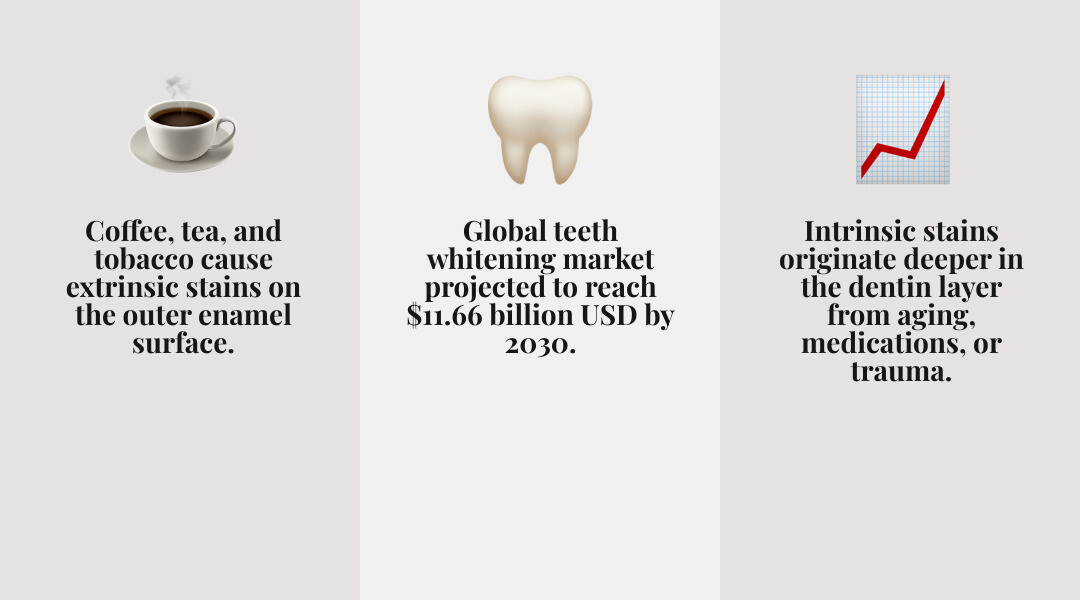
- Extrinsic stains — on the outer enamel surface, caused by coffee, tea, wine, and tobacco. These are the easiest to treat.
- Intrinsic stains — deeper inside the tooth, often from aging, medications, or trauma. These usually need stronger treatments.
The worldwide teeth whitening market is on track to reach $11.66 billion USD by 2030 — a clear sign that people everywhere are looking for solutions.
The good news? There are more effective, affordable options than ever before.
The dentists at Advanced Smiles Marion bring years of advanced training and hands-on experience helping families in Marion, OH find the right tooth stain remover approach for their unique smile. In this guide, we'll walk you through everything you need to know — from drugstore options to professional treatments — so you can make a confident, informed choice.
Understanding the Different Types of Tooth Stains
To choose the right tooth stain remover, we first have to understand what we are trying to "erase." Not all discoloration is created equal, and knowing the difference between a surface smudge and a deep-set change in color can save you a lot of time and frustration.
Extrinsic Stains: The Surface Culprits
Extrinsic stains live on the enamel, which is the hard, protective outer layer of your teeth. Even though enamel is the hardest substance in the human body, it is surprisingly porous. Over time, it absorbs pigments from the things we consume. The most common offenders include coffee, tea, red wine, dark sodas, and tobacco products.
Because these stains are sitting on the surface, they are generally the easiest to address with a mechanical or chemical tooth stain remover. If you are dealing with teeth whitening coffee stains, you are likely looking at an extrinsic issue.
Intrinsic Stains: Deep-Set Discoloration
Intrinsic stains occur within the inner structure of the tooth, known as the dentin. This layer is naturally darker and more yellow than enamel. These stains can be caused by:
- Aging: As we get older, our enamel thins out, allowing the yellowish dentin to show through more clearly.
- Medications: Certain antibiotics, like tetracycline, can cause permanent grey or brown staining if taken during tooth development.
- Trauma: If a tooth is injured, the internal tissue may die or produce extra dentin, leading to a dark or grey appearance.
- Fluorosis: Excessive fluoride intake during childhood can lead to white spots on teeth, which are considered intrinsic.
Because these stains are "inside" the tooth, a simple surface-level teeth stain removal tool might not be enough. You can read more about the 3 types of tooth stains and how to remove them to better identify your specific situation.
Choosing the Right Tooth Stain Remover for Your Smile
When you start looking for a tooth stain remover, the sheer number of products can be overwhelming. Some work through physical abrasion (scrubbing), while others use chemical oxidation (bleaching).
| Method | How it Works | Pros | Cons |
|---|---|---|---|
| Mechanical Erasers | Physical scrubbing with rubber tips | Instant results on surface | Doesn't change base color |
| Whitening Strips | Peroxide-based chemical bleach | Lifts deep stains | Can cause sensitivity |
| Whitening Toothpaste | Mild abrasives + low-dose peroxide | Easy daily routine | Takes weeks to see 1-2 shades |
If you are wondering how to fix stained teeth at home, it’s important to match the tool to the stain.
The STAINO® Tooth Stain Remover
One of the more unique tools on the market is the STAINO® Tooth Stain Eraser. This isn't a paste or a gel; it’s a physical tool inspired by the rubber polishing tips dentists have used for over 50 years.
- How it Works: It uses specialized STAINO® technology embedded into a rubber tip. You don't even need toothpaste.
- Dual Shapes: It usually features a bullet shape for flat tooth surfaces and a pointed tip for reaching those pesky stains between teeth.
- Portability: It comes with aerated, stackable caps, making it a great "on-the-go" tooth stain remover for after a coffee meeting or a glass of wine.
Over-the-Counter Whitening Strips and Gels
If your stains are a bit more stubborn, you might need a chemical tooth stain remover. Most over-the-counter (OTC) strips and gels use hydrogen peroxide or carbamide peroxide.
According to the American Dental Association (ADA), these agents work through an oxidation process. The peroxide penetrates the enamel and breaks the chemical bonds of the "chromogens" (the colorful stain molecules). By breaking them into smaller pieces, the concentration of color is reduced, and your teeth appear whiter. You can find many tooth stain remover products in this category at your local pharmacy in Marion.
Safety and Efficacy: Is a Tooth Stain Remover Safe for Enamel?
A common myth is that every tooth stain remover will inevitably strip away your enamel. While it's true that aggressive or improper use can lead to tooth erosion, most modern products are designed to be "enamel-safe."
The key is to look for the ADA Seal of Acceptance. This seal indicates that the product has been independently tested and proven safe and effective. When a product is used as directed, it shouldn't weaken your enamel. However, overuse of high-concentration peroxides can lead to temporary sensitivity in your teeth or irritation of the gums.
Safety Concerns with a Tooth Stain Remover
While these tools are generally safe, we always recommend caution:
- Abrasiveness: Some "natural" or low-quality toothpastes can be too abrasive, acting like sandpaper on your teeth. This can actually make teeth look yellower over time as the enamel thins and the dentin shows through.
- Gum Irritation: If whitening gels or strips sit on your gums for too long, they can cause chemical burns or white spots on the soft tissue.
- Existing Issues: If you have untreated tartar buildup, a tooth stain remover won't be able to reach the actual tooth surface. It’s always best to start with a professional cleaning.
Professional Treatments vs. At-Home Stain Removal
While at-home products are convenient, they have their limits. OTC products typically have a much lower concentration of whitening agents than what we use in a clinical setting.
If you are trying to figure out how to clean yellow stained teeth that haven't responded to strips or erasers, a dentist is your best resource.
- Speed: A professional in-office session can brighten your smile by several shades in just about an hour.
- Customization: We can create custom-fit trays that ensure the whitening gel stays on your teeth and off your gums, providing a more even result with less irritation.
- Safety First: Before any whitening, we check for cavities and gum disease. Applying whitening chemicals to a tooth with a cavity can be incredibly painful and damage the nerve.
Frequently Asked Questions about Tooth Stain Removers
Do tooth stain removers work on dental restorations like crowns or veneers?
This is a very important distinction: tooth stain remover products (both chemical and mechanical) only work on natural tooth enamel. They will not change the color of porcelain crowns, veneers, or composite bonding material. If you whiten your natural teeth, your restorations may suddenly look darker or "yellower" by comparison. If your restorations are stained, they usually need to be professionally polished or replaced.
Are natural remedies like baking soda or oil pulling effective?
We hear this a lot! While baking soda is a mild abrasive that can help with surface stains, it can be damaging if used too aggressively. Oil pulling with coconut oil has antimicrobial properties, but there is no strong scientific evidence that it effectively removes deep stains. Some "natural" remedies like lemon juice or apple cider vinegar are highly acidic and can cause permanent enamel erosion. We always suggest sticking to ADA-approved products.
How long do whitening results typically last?
Nothing is permanent when it comes to a bright smile! Generally, results last anywhere from six months to two years. This depends heavily on your lifestyle. If you smoke or drink coffee and red wine daily without rinsing, the stains will return sooner. Maintaining a solid oral hygiene routine and using a whitening toothpaste for maintenance can help extend your results.
Conclusion
Finding the right tooth stain remover doesn't have to be a guessing game. Whether you're looking for a quick fix with a rubber eraser or a dramatic transformation through professional whitening, the team at Advanced Smiles Marion is here to help.
Our highly educated dental team in Marion, OH, utilizes cutting-edge technology to ensure your comfort and results. Beyond whitening, we offer comprehensive care, including laser treatments for TMJ pain and periodontal disease, and high-quality endosteal dental implants (averaging about $4500 per tooth).
If you're worried about costs or don't have insurance, our Dental Wellness Plan is a fantastic solution. It provides discounted yearly care, including two fluoride treatments per year, to keep your smile healthy and bright. Plus, if you ever have a dental crisis, we offer emergency dental treatments and can often see you on the same day.
Ready for a sparklier smile? Schedule a professional teeth whitening consultation with us today and let's find the perfect solution for you!
Get in touch
Have any questions? Want to learn more?


