
The Honest Pros and Cons of Braces vs Invisalign
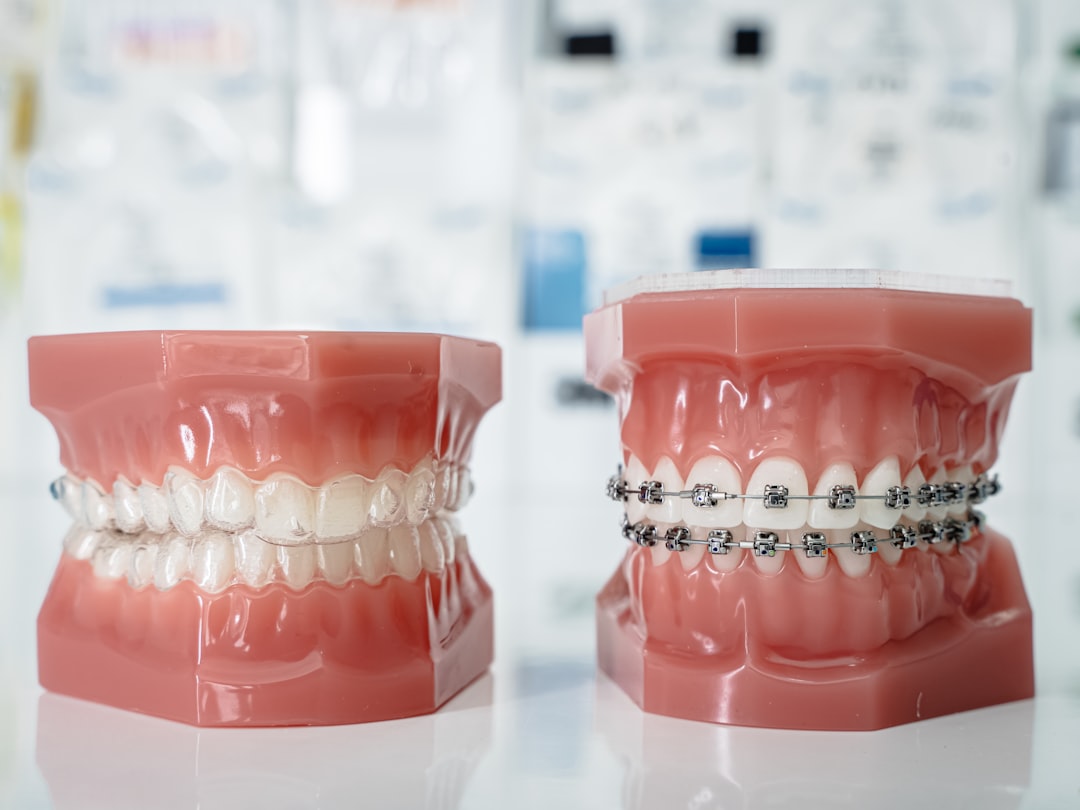

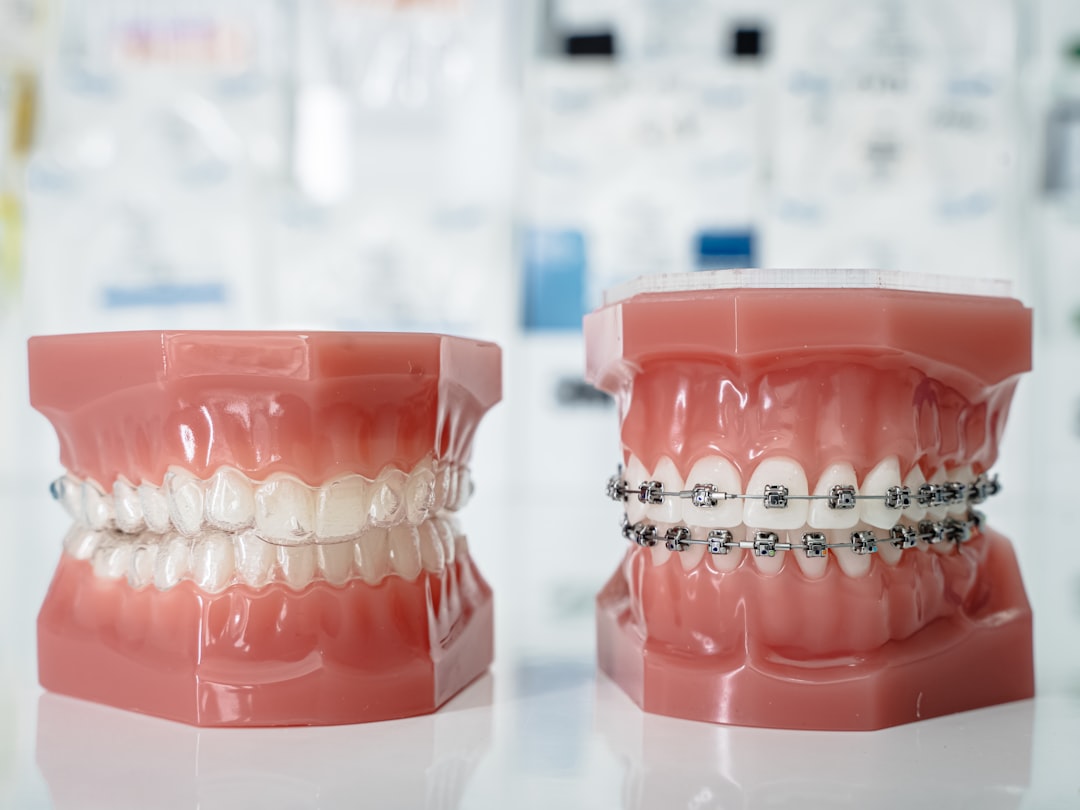
Is Braces or Invisalign Right for You? Here's What You Need to Know
Understanding the pros and cons of braces vs Invisalign is the first step toward making a confident decision about your smile.
Here's a quick side-by-side breakdown:
| Factor | Braces | Invisalign |
|---|---|---|
| Appearance | Visible metal brackets | Nearly invisible |
| Removable | No | Yes |
| Best for | Complex cases | Mild to moderate cases |
| Oral hygiene | Harder to clean around | Easy - remove to brush |
| Diet restrictions | Yes - avoid sticky/hard foods | No restrictions |
| Treatment time | 18-24 months avg. | 12-18 months avg. |
| Compliance required | No | Yes - 20-22 hrs/day |
| Patient satisfaction | High | 96% satisfaction rate |
Neither option is universally better. The right choice depends on your specific dental needs, your lifestyle, and how consistently you can follow your treatment plan.
More than four million Americans currently wear braces - and clear aligners are growing fast in popularity. Both treatments work by applying gentle, sustained pressure to shift teeth into alignment. But they do it very differently, and those differences matter a lot in daily life.
The dentists at Advanced Smiles Marion bring extensive education and hands-on expertise to help families in Marion, OH navigate exactly this kind of decision - including guiding patients through the pros and cons of braces vs Invisalign to find the best personal fit. Read on for an honest, detailed look at both options.

Understanding the Basics: How Invisalign and Braces Work
Before we dive into the pros and cons of braces vs Invisalign, it helps to understand what is actually happening inside your mouth. Both systems are designed to move teeth, but the technology behind them is worlds apart.
What is Invisalign?
Invisalign isn't just a "plastic retainer." It is a sophisticated system that uses a series of custom-made, clear aligner trays. These trays are made of a specialized, BPA-free plastic that is smooth and designed to fit snugly over your teeth.
At Advanced Smiles Marion, we start the process with Invisalign 3D imaging and treatment planning. Instead of those messy, goopy putty impressions that make everyone gag, we use a high-tech digital scanner. This creates a precise 3D map of your mouth, allowing our dentists to plot the exact movement of every single tooth before you even put in your first tray. You can learn more about our Invisalign services to see how this technology changes the game.
What are Traditional Braces?
Traditional braces are the "tried and true" method of orthodontics. They consist of metal brackets that are semi-permanently bonded to each tooth. These brackets act as anchors for an archwire, which is held in place by small rubber bands (which come in fun colors, if you’re feeling festive!).
The orthodontist periodically tightens the wire, creating the tension needed to shift the teeth. While they are more visible than aligners, they offer a level of mechanical leverage that is incredibly powerful for correcting severe dental issues.
The Core Pros and Cons of Braces vs Invisalign
Choosing between these two isn't just about how you look in selfies—though we know that’s a big part of it! It’s also about your daily habits and the complexity of your dental needs.
The Power of Choice: Invisalign Pros
The most obvious benefit of Invisalign is that it’s nearly invisible. Most people won't even realize you're wearing them unless you point it out. But beyond aesthetics, there’s the comfort factor. A survey by the National Center for Biotechnology Information found that 95% of Invisalign users reported less pain and discomfort compared to traditional braces.
Another huge "pro" is patient satisfaction. Scientific research on Invisalign patient satisfaction rates shows a staggering 96% satisfaction rate. People love the flexibility of being able to take their "braces" out for a wedding, a big presentation, or just to eat a cob of corn.
The Commitment: Invisalign Cons
The biggest "con" of Invisalign is actually... you. Because the trays are removable, the success of the treatment depends entirely on your discipline. You must wear them for 20-22 hours a day. If you leave them on the nightstand or lose them in a napkin at a restaurant (it happens more than you’d think!), your teeth won't move, and your treatment time will skyrocket.
The Reliability: Braces Pros
With braces, there is no "forgetting" to wear them. They are working 24/7, 365 days a year. This makes them an excellent choice for younger patients or anyone who doesn't want the responsibility of tracking removable trays. Furthermore, braces are often the superior choice for complex malocclusions where teeth need to be rotated or moved vertically.
The Visuals: Braces Cons
The main drawback is the "metal-mouth" look, though modern brackets are much smaller and sleeker than the "train tracks" of the 1990s. There’s also the risk of broken brackets or poking wires, which can lead to emergency dental visits.
Weighing the Pros and Cons of Braces vs Invisalign for Adults
For our adult patients in Marion, the decision often leans toward discretion. Whether you are leading a boardroom meeting or going on a first date, you might not want a mouth full of metal.
Research on adult motivations for orthodontic choices indicates that social confidence and professional appearance are the primary drivers for choosing clear aligners. Adults also appreciate that Invisalign typically has less of an impact on speech. While there might be a slight "lisp" for the first day or two as you adjust to the trays, it usually disappears quickly.
However, we always remind our adult patients that Invisalign requires a commitment to oral hygiene. You have to brush your teeth every single time you eat before putting the trays back in. If you’re a frequent coffee sipper or snacker, this can be a major lifestyle adjustment.
The Pros and Cons of Braces vs Invisalign for Complex Cases
When we look at the pros and cons of braces vs Invisalign for severe issues, braces often take the lead.
If you have severe overcrowding, large gaps, or teeth that are severely rotated (turned sideways), braces provide the clinical precision needed to fix them. Braces allow the dentist to control the movement of each tooth individually with great force.
Invisalign has come a long way and can now handle many moderate cases that used to require braces, but there are still limits. For example, if a tooth needs to be pulled "up" out of the bone or rotated significantly, the plastic trays may not be able to get enough "grip" to do the job effectively. In these cases, we might use "attachments"—small, tooth-colored bumps bonded to your teeth—to help the aligners work, but even then, traditional braces might be the faster, more reliable route.
Cost, Duration, and Effectiveness: A Side-by-Side Look
When planning your smile transformation, you need the facts on how long it will take and how it fits into your budget.
| Feature | Invisalign | Traditional Braces |
|---|---|---|
| Average Duration | 12-18 months | 18-24 months |
| Office Visit Frequency | Every 10-12 weeks | Every 4-8 weeks |
| Complexity Handled | Mild to Moderate | Mild to Severe |
| Insurance Coverage | Often partial (varies by plan) | Often higher coverage |
Treatment Speed and Efficiency
In many mild to moderate cases, Invisalign can actually be faster than braces. Because the 3D planning allows us to move all the teeth simultaneously rather than in stages, some patients finish in as little as 12 months.
However, a study on discomfort levels during alignment shows that while Invisalign is generally more comfortable, the "soreness" you feel when you switch to a new tray is a sign that biological remodeling is happening. Whether you choose braces or aligners, your jawbone is literally reshaping itself to hold your teeth in their new positions.
For a deeper dive into what you can expect, check out our Invisalign vs braces results guide. We also provide a typical Invisalign cost guide to help you understand the investment in your future smile.
Lifestyle Impacts: Aesthetics, Comfort, and Maintenance
One of the most overlooked pros and cons of braces vs Invisalign is how they change your Tuesday afternoon.
Aesthetics and Social Life
With Invisalign, you can take your trays out for photos. You don't have to worry about a piece of spinach getting stuck in your bracket during a dinner date. For many, this "stealth" mode is the biggest selling point.
Comfort and "The Ouch Factor"
Braces have metal parts that can rub against the inside of your cheeks and lips, leading to mouth sores. We usually give our braces patients plenty of orthodontic wax to smooth over those rough spots. Invisalign trays are smooth plastic, so they don't typically cause those same cuts or sores. However, you might still experience some pressure each time you move to a new set of aligners.
Maintenance and Cleaning
This is where the two vary wildly. With braces, you have to learn proper oral hygiene techniques for cleaning around wires. It involves special floss threaders and interdental brushes. If you aren't diligent, you can end up with permanent white spots on your teeth where plaque sat around the brackets.
With Invisalign, you just pop the trays out and brush and floss normally. It’s much easier to keep your teeth clean, which is a huge "pro" for long-term dental health. But, you also have to clean the trays! You can learn some teeth straightening secrets about how to keep your treatment on track and your breath fresh.
Dietary Restrictions and Eating Habits
If you love popcorn, chewy bagels, or sticky taffy, braces might be a challenge. These foods can easily bend wires or pop brackets off your teeth. Every time a bracket breaks, your treatment stops progressing until it’s fixed.
Invisalign offers total dietary freedom. You take the trays out, eat whatever you want, and then put them back in. However, you cannot drink anything other than plain water while the trays are in. If you drink soda or sweetened coffee with your trays in, the liquid gets trapped against your teeth, which can lead to rapid tooth decay.
To keep your aligners clear and odor-free, it’s important to use the right cleaning methods for removable aligners. Avoid using hot water (it can warp the plastic!) and stick to gentle, non-abrasive cleaners.
Choosing the Right Path for Your Smile in Marion, OH
At Advanced Smiles Marion, we don't believe in a one-size-fits-all approach. Our dentists are highly educated and stay at the forefront of dental technology to ensure you get world-class care right here in Marion.
When you visit us to discuss the pros and cons of braces vs Invisalign, we look at more than just your teeth. We look at your lifestyle, your goals, and your overall oral health. In addition to orthodontics, we offer a full suite of services to ensure your smile is healthy from the inside out:
- Emergency Dental Care: We know dental emergencies don't happen on a schedule. We offer emergency treatments and can often see you the same day.
- Advanced Laser Treatments: We feature cutting-edge laser therapy for TMJ pain, canker sore healing, and periodontal disease treatment.
- Dental Implants: If you're missing a tooth, our endosteal dental implants (averaging about $4500 for a single tooth) can restore your smile's function and beauty.
- Dental Wellness Plan: No insurance? No problem! Our Wellness Plan is designed for individuals and families in Marion who want affordable yearly care. It includes two fluoride treatments a year and discounts on other services.
- Comprehensive Care: From veneers and tooth bonding to root canals and digital dentures, we handle it all under one roof.
Whether you need a simple orthodontist in Marion Ohio or a full smile makeover, we are here to help.
Frequently Asked Questions about Orthodontic Options
Is Invisalign faster than traditional braces?
In many cases, yes! For mild to moderate crowding or spacing, Invisalign can often achieve results in 12-18 months, whereas braces might take 18-24 months. However, for very complex bite issues, braces remain the "gold standard" for efficiency.
Can I switch from braces to Invisalign mid-treatment?
It is sometimes possible! If you started with braces to handle a complex movement and your teeth have reached a point where aligners can finish the job, we can discuss a transition. However, this requires a new treatment plan and new 3D scans.
Does insurance cover the cost of clear aligners?
Many dental insurance plans treat Invisalign the same way they treat traditional braces, providing a "lifetime orthodontic benefit." However, every plan is different. Our team at Advanced Smiles Marion can help you navigate your insurance or talk to you about our Dental Wellness Plan and interest-free payment options.
Conclusion
Your journey to a straighter smile is a personal one. Whether you choose the invisible convenience of Invisalign or the powerful precision of traditional braces, the end goal is the same: a healthy, confident smile that lasts a lifetime.
We invite you to take the next step. Our team is ready for your smile transformation and eager to answer any questions you have about the pros and cons of braces vs Invisalign.
Don't let another year go by wishing you had a different smile. Schedule an Invisalign consultation with our expert team at Advanced Smiles Marion today. Let’s work together to find the perfect path for your unique smile!
Get in touch
Have any questions? Want to learn more?


