
Everything You Need to Know About Dental Gel for Pain Relief


What Is Dental Gel for Pain Relief and Does It Actually Work?

Dental gel for pain relief is a topical anesthetic you apply directly to a sore tooth or gum to temporarily numb the area and ease discomfort.
Here's a quick summary of what you need to know:
- How it works: Most dental gels contain benzocaine, a local anesthetic that blocks pain signals in the affected area
- How fast: Numbness sets in within about 2 minutes — faster than any oral painkiller
- How long: Peak effect lasts 15–20 minutes, with some relief continuing for several hours
- How often: Apply up to 4 times daily, for no more than 7 days
- Who it's for: Adults and children 12 and older (with some products approved for ages 2+)
- Key caution: It's a temporary fix — it does not treat the underlying cause of tooth pain
Toothache is one of the most common and uncomfortable dental problems people face. Whether it's a cracked tooth, a cavity, or a loose filling, the pain can be sudden and severe. Dental gel offers fast, targeted relief while you wait for a dental appointment — but knowing how to use it safely matters.
The dentists at Advanced Smiles Marion are highly educated and actively involved in the latest advances in dental care, including safe and effective approaches to managing dental gel for pain relief as part of broader oral health treatment. Understanding how these products work — and their limits — helps you make smarter decisions about your dental health.
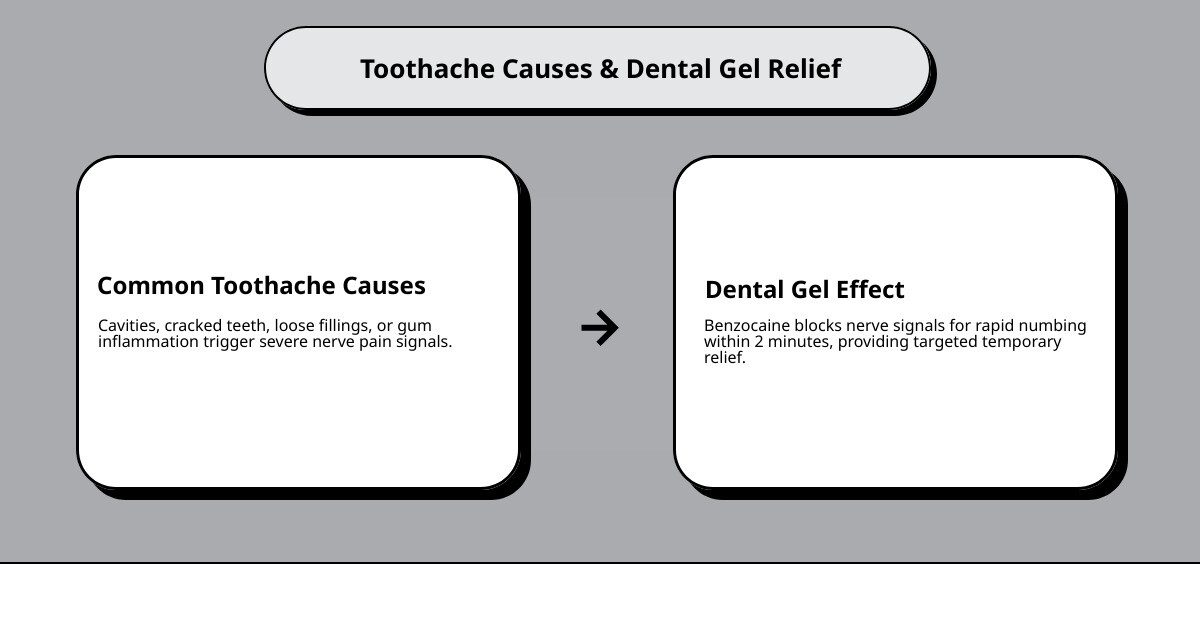
How Dental Gel for Pain Relief Works
When you are dealing with a throbbing tooth, you want relief now, not in thirty minutes. This is where dental gel for pain relief shines. But how exactly does a little bit of clear gel stop a massive toothache in its tracks?
The secret ingredient in most of these products is benzocaine. Benzocaine is a local anesthetic that belongs to a class of medicines known as "caine" anesthetics (similar to the lidocaine your dentist might use, but formulated for topical use). It works by temporarily blocking the nerve signals in your mouth.
Specifically, benzocaine prevents sodium from entering the nerve endings. Since nerves use sodium channels to send "ouch!" signals to your brain, blocking these channels effectively mutes the pain. According to Policy Cleveland Clinic is a non-profit academic medical center. Advertising on our site helps support our mission. We do not endorse non-Cleveland Clinic products or services.Policy, topical anesthetics are a staple in managing minor irritations because of this rapid numbing effect.
Because the gel is applied directly to the site of the pain, it doesn't have to travel through your digestive system or bloodstream to start working. This localized approach is why you feel that "frozen" sensation almost instantly.
Understanding Benzocaine Concentrations
Not all gels are created equal. When you’re scanning the pharmacy shelves in Marion, you’ll likely notice two main strengths:
- Standard Strength (10% Benzocaine): This is typically used for general toothache relief, minor gum irritation, or pain from a broken tooth. It’s effective for moderate discomfort.
- Maximum Strength (20% Benzocaine): Often labeled as "Extra Strength" or "Severe Pain" formulas, these are designed for acute dental pain. These products provide a more intense numbing sensation and are often the preferred choice when a toothache is keeping you up at night.
We often see patients who have tried different variations. Some advanced formulas, like Orajel Severe Toothache & Gum Relief, are "triple medicated," meaning they include 20% benzocaine along with an astringent (to help with gum irritation) and menthol (to provide a cooling, soothing sensation). There are even "4X" formulas that include ingredients to help kill harmful bacteria, providing a multi-pronged approach to temporary relief. For a deeper dive into choosing the right product, check out our best-otc-medicine-tooth-pain-guide.
Best Practices for Applying Dental Gel for Pain Relief
To get the most out of your dental gel for pain relief, application technique is key. It’s not just about "globbing" it on; it’s about getting the medication where it needs to go.
- Cleanliness First: Always wash your hands thoroughly before and after application. You don't want to introduce new bacteria into an already sensitive area.
- The "Pea-Sized" Rule: You only need a small amount—roughly the size of a green pea. Using more won't make the pain go away faster, but it might make it harder to swallow or increase the risk of side effects.
- Dry the Area: If possible, gently pat the affected tooth or gum with a clean cotton swab or gauze. The gel sticks much better to a dry surface than a slippery, saliva-covered one.
- Direct Application: Use a clean finger or a cotton swab to apply the gel directly into the cavity of the tooth or onto the painful gum area.
- Frequency: You can generally apply the gel up to four times daily.
For more specific advice on managing your symptoms at home, our guide on toothache-medicine offers great step-by-step tips.
Precautions After Using Dental Gel for Pain Relief
Once the gel is on and the numbing has kicked in, you might feel like you can conquer the world—or at least a steak dinner. Hold your horses! There are a few things you should avoid to stay safe while your mouth is numb:
- Skip the Hot Drinks: Because your mouth is numb, you won't be able to feel if a liquid is scalding hot. You could easily burn your tongue or throat without realizing it.
- Avoid Eating for One Hour: We recommend waiting at least an hour before eating. Not only can the gel wash away, but you also run the risk of biting your cheek or tongue—hard—because you can't feel them.
- Watch for Allergic Reactions: Some gels contain inactive ingredients like sorbic acid. While rare, some people may develop contact dermatitis (a red, itchy rash) or localized swelling. If your gums start to itch or swell more after application, stop using it immediately.
- No "Cough Drops" or Sprays: Be careful not to use other benzocaine products (like throat sprays) at the same time, as this can lead to an accidental overdose of the anesthetic.
If you are looking for more information on what to avoid, our resource on the best-otc-pain-reliever-for-toothache provides a comprehensive look at safety.
Safety Considerations and Serious Risks
While dental gel for pain relief is available over-the-counter and generally very safe when used as directed, there are serious risks you need to be aware of.
The most significant concern is a rare but life-threatening condition called methemoglobinemia. This occurs when the amount of oxygen carried through your bloodstream is greatly reduced. It is specifically linked to benzocaine use.
Symptoms of methemoglobinemia include:
- Pale, gray, or blue-colored skin, lips, or nail beds (cyanosis)
- Shortness of breath
- Fatigue or lack of energy
- Confusion or headache
- Rapid heart rate
These symptoms can appear within minutes or up to two hours after using the gel. It can happen even if you have used the product before without any issues. If you notice any of these signs, seek emergency medical help immediately.
Who Should Avoid Benzocaine Gels?
- Children Under 2: The FDA has issued strict warnings against using benzocaine products for teething or any oral pain in children under the age of 2. The risk of methemoglobinemia is significantly higher in infants.
- Specific Allergies: If you have ever had a reaction to "caine" anesthetics (like those used at the doctor or dentist), do not use these gels.
- Medical Conditions: People with G6PD deficiency, heart disease, or chronic lung issues should consult a doctor before use, as they may be more susceptible to complications.
- Pregnancy and Breastfeeding: While the absorption is localized, you should always check with your healthcare provider before using any medication during pregnancy.
- Antibiotic Interactions: Interestingly, benzocaine can interfere with the effectiveness of sulfonamide antibiotics (sulfa drugs). If you are currently taking an antibiotic for an infection, check the label or ask your pharmacist if it’s a sulfonamide before applying the gel.
For more detailed safety data, you can view the FDA safety information on benzocaine.
Comparing Topical Gels to Systemic Painkillers
A common question we hear at Advanced Smiles Marion is: "Should I take a pill or use the gel?" The answer usually depends on your goal. Are you trying to stop sharp, localized pain right now, or are you looking for long-term relief from a dull ache?
| Feature | Topical Dental Gel | Systemic Painkillers (Pills) |
|---|---|---|
| Onset of Action | Less than 2 minutes | 30–60 minutes |
| Duration of Peak Effect | 15–20 minutes | 4–8 hours |
| Area of Relief | Localized (only where applied) | Whole body |
| Best For | Sharp pain, broken teeth, sores | Inflammation, deep throbbing aches |
| Mechanism | Blocks nerve signals at the site | Reduces pain chemicals (prostaglandins) |
As you can see, dental gel for pain relief is much faster. It acts as a "bridge" to get you through the immediate agony while you wait for your appointment or for a systemic painkiller (like ibuprofen) to kick in. However, the gel wears off quickly. Systemic painkillers are often better for managing the underlying inflammation that causes the pain in the first place. You can read more about how to combine these approaches in our guide on the best-treatment-for-toothache.
When to Seek Professional Emergency Dental Care
It is vital to remember that dental gel for pain relief is a Band-Aid, not a cure. It numbs the nerve, but it doesn't fix the cavity, heal the infection, or repair the crack.
You should stop using the gel and call us immediately if:
- Your pain lasts for more than 7 days.
- You notice swelling in your gums, face, or neck.
- You develop a fever or a foul taste in your mouth (signs of infection).
- The pain is so severe that the gel provides no relief.
At Advanced Smiles Marion, we understand that dental pain doesn't follow a schedule. That’s why we offer emergency dental treatments and are usually able to see patients on the same day.
Beyond traditional fillings and extractions, we utilize cutting-edge technology to treat pain. For example, we feature laser treatments that can provide rapid relief for TMJ pain, accelerate the healing of painful canker sores, and provide advanced therapy for periodontal disease. These modern solutions often provide more permanent relief than any over-the-counter gel ever could. If you're in a bind, don't wait—check out our options for emergency-treatment-for-toothache.
Frequently Asked Questions
How quickly does dental gel provide relief?
It is incredibly fast! You should start to feel a numbing sensation in about 30 seconds, with total numbness occurring in less than two minutes. This makes it an excellent tool for managing sudden, sharp pain while you are on the phone with our office scheduling an emergency visit.
Is dental gel safe for children?
For children 12 and older, it is generally safe when used as directed. For children between the ages of 2 and 12, you should always consult a doctor or dentist first and ensure the application is strictly supervised. Never use benzocaine-based gels on children under the age of 2 due to the risk of methemoglobinemia.
Can I use dental gel while pregnant?
You should consult your OB-GYN or your dentist at Advanced Smiles Marion before using it. While the medication is applied topically and absorption into the bloodstream is minimal, it is always best to prioritize safety during pregnancy. We can help you determine if the gel is the best option or if another form of relief is more appropriate.
Conclusion
Advanced Smiles Marion is dedicated to personalized wellness, offering comprehensive dental care delivered by our highly educated and involved dental team. For individuals and families without insurance, our Dental Wellness Plan provides discounted yearly care, including two fluoride treatments annually, ensuring access to essential dental services.
We offer a wide range of advanced dentistry solutions, including Invisalign, Teeth whitening, Tooth Bonding, endosteal Dental Implants (with an average cost of $4500 per tooth), Veneers, Crowns, Root Canal therapy, Digital Dentures, Oral Hygiene & Wellness check-ups, and Botox. We also provide same-day emergency dental appointments and feature innovative laser treatments for TMJ pain relief, canker sore healing, and periodontal disease treatment. Schedule your visit for advanced dentistry at Advanced Smiles Marion to experience exceptional care.
Get in touch
Have any questions? Want to learn more?


